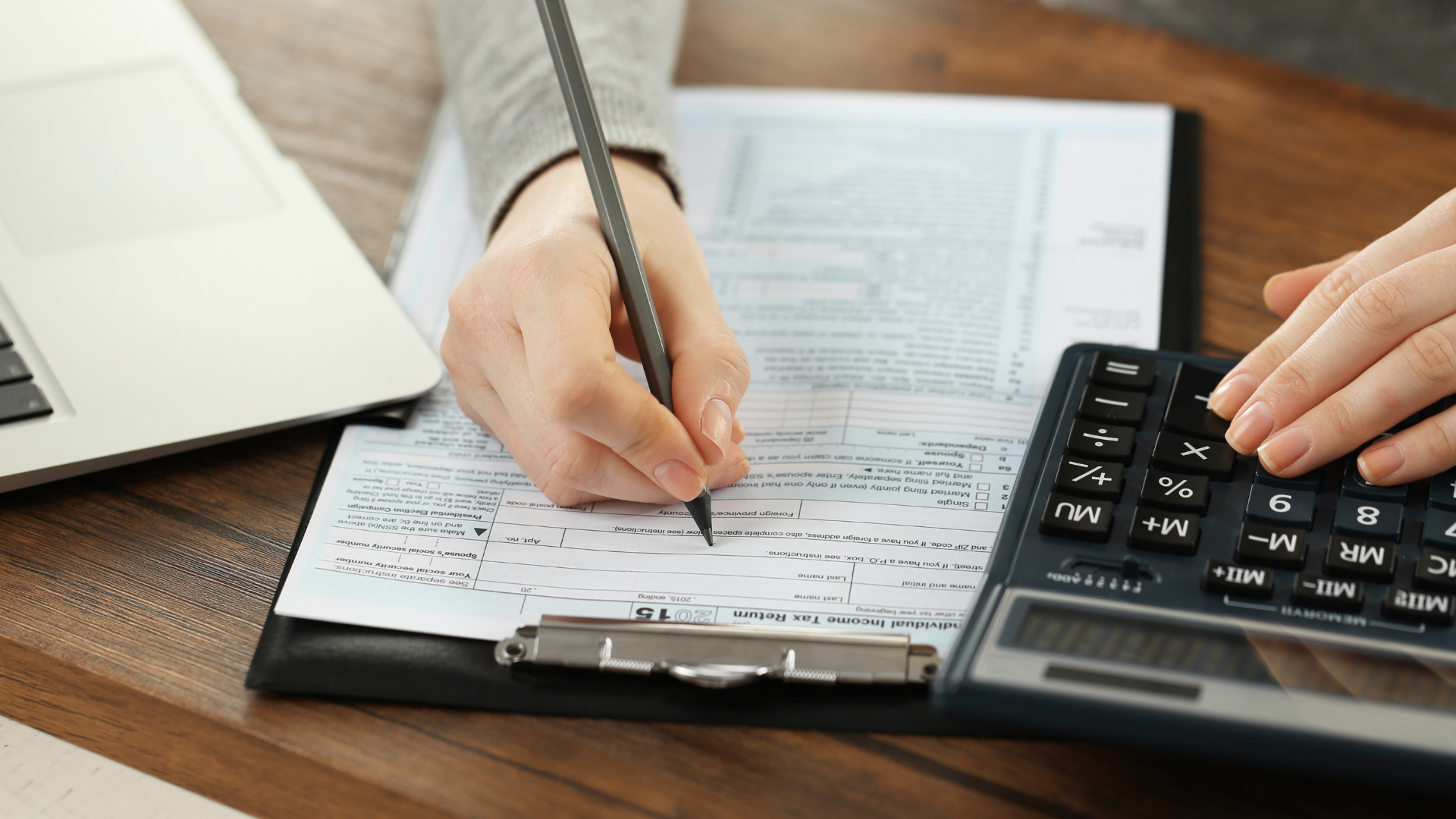
Reduce CRA Penalties for Late Returns
Somewhere between payroll, invoices, and the next fire to put out, the penalty for filing taxes late can sneak into your week like an extra parking ticket you did not budget for. If you run an incorporated business, missing a corporate return is not just an admin oops, it can snowball into CRA notices, interest that keeps ticking, and a messy year end where nothing lines up the way it should. The good news is that late filings are a problem with a playbook, and the steps to reduce the damage are mostly about timing, proof, and getting the right stuff in front of the CRA.
If this sounds familiar, it is usually because the backlog starts innocently, one year gets pushed to the side, then bookkeeping drifts, then your accountant asks for documents you cannot find, then you avoid the mailbox for a bit longer than you want to admit. It happens to real businesses, including profitable ones, and it does not mean you are reckless, it means you are busy and the system is built to punish delays.
So, instead of staring at the number on a CRA statement and guessing what to do next, it helps to understand what the CRA charges, when penalties apply, what relief programs exist, and what “getting caught up” looks like when you want your corporation clean, compliant, and able to move forward.
TL;DR: The late return problem, decoded
- The challenge: late corporate tax filings can trigger penalties plus daily interest, and CRA communication can pile up fast.
- Why it matters: once the balance grows, cash flow decisions get warped, and CRA collections pressure can start showing up at the worst time.
- The common gaps: mixing up filing vs paying deadlines, assuming “no tax owing” means no risk, and waiting for the CRA to “ask for it.”
- A clearer way to think: reduce penalties by filing sooner, confirming what you actually owe, and using CRA relief options when you have support and documentation.
- Next steps we will unpack: how CRA penalties work, what changes when you file late, the relief path (including Voluntary Disclosures and taxpayer relief), and a practical catch up sequence for incorporated businesses.
The penalty for filing taxes late is only half the bite
CRA charges can feel like a rake hidden in tall grass, you step forward, it swings up, and suddenly you are paying for motion you thought was progress. Here is the plain setup: penalties usually apply when a return is filed late and there is a balance owing, then interest compounds daily on unpaid amounts, including some penalties, until paid. That daily interest part is why “I will deal with it next month” often costs more than people expect.
One detail that catches incorporated owners is the split between filing and paying, because they are related but not identical in practice, and CRA will still want the paperwork even when cash is tight. File the return as soon as you can, even if you cannot pay the whole balance that day, since filing stops the late filing penalty from growing and gets you into a place where payment plans and negotiations can be real instead of hypothetical. Do not guess. Get the numbers.
How CRA penalties actually get calculated (and why time matters)
The CRA’s late filing penalty for income tax is commonly described as 5 percent of the balance owing, plus 1 percent per full month late, up to 12 months, and it can be higher if you have been hit with late filing penalties in prior years. That means the first year of delay can stack up fast, and repeat issues can raise the stakes, because the CRA uses tougher rates for repeated non compliance within a recent window. Then interest keeps running daily at the CRA prescribed rate, which changes by quarter.
You can feel this most when you finally look at a statement and realize the total is not just tax, it is tax plus penalty plus interest, and the interest is still running while you decide what to do. One day matters. In a backlog situation, the fastest win is often filing all outstanding returns in order, because each filed return replaces uncertainty with a known number, and known numbers are easier to manage with the CRA.
Reducing the penalty for filing taxes late starts with one move: file
People sometimes try to negotiate first, or wait until they can pay, but CRA relief typically goes better when you have filed what you owe and you are not hiding the ball. For corporations, the T2 return is due six months after fiscal year end, and any balance owing is generally due within two or three months after year end depending on the corporation’s situation. When those timelines get missed, filing becomes the lever you can actually pull today.
In real life, filing late often means rebuilding records, fixing shareholder loan issues, and matching bookkeeping to bank activity so the return is defensible, which is why the “just file something” approach can backfire if it creates errors that lead to reassessments. That is where corporate cleanup work tends to live, getting books aligned, preparing missing returns, and organizing a story the CRA can follow without ten rounds of letters. Clean documents, clean sequence, clean submission. That is the whole vibe.
Two relief routes CRA actually offers (and what they want from you)
If you are trying to reduce penalties, there are two CRA concepts worth knowing because they show up in most top guidance on late return fixes: the Voluntary Disclosures Program (VDP) and taxpayer relief provisions, often called “fairness” relief. VDP can apply when you come forward before the CRA takes action and you correct inaccurate or incomplete information, and it can provide relief from penalties and sometimes partial interest, depending on the stream and facts. Taxpayer relief can apply when penalties or interest happened because of circumstances like serious illness, disasters, CRA processing delays, or other situations the CRA considers beyond your control, and it is often requested after the fact with supporting documents.
Relief is not a wish. It is a request with receipts. You generally need dates, evidence, a timeline, and filings brought up to date or a plan to do it, and you need to be careful about eligibility because a disclosure is not “voluntary” if enforcement has already started for that issue. If you are in Calgary and you have ever spent a windy afternoon chasing a recycling bin down the alley, you already get the idea: you can still fix it, but you need to move before it ends up three blocks away.
A simple catch up sequence for incorporated businesses
The fastest way to reduce stress is to treat this like a short project, not a forever problem, and to move in the order that reduces uncertainty. Here is a sequence that matches how corporate tax services usually tackle a backlog:
| Step | What you do | Why it helps with CRA penalties |
|---|---|---|
| 1 | Confirm which T2 years are missing and what CRA shows on account | Stops you from fixing the wrong years first |
| 2 | Rebuild bookkeeping per year, tied to bank and credit card statements | Produces numbers you can support |
| 3 | File outstanding T2 returns from oldest to newest | Stops late filing penalties from continuing on unfiled years |
| 4 | Review notices of assessment and balances owing | Turns the problem into a planable amount |
| 5 | Consider VDP or taxpayer relief where facts fit | Targets penalty and interest reduction |
| 6 | Set a payment plan if needed and keep current filings on time | Prevents new penalties from stacking |
One small tip that saves time is to build a folder per fiscal year with bank statements, GST/HST filings, payroll summaries, and any loan documents, then name files consistently, because CRA conversations go smoother when you can produce what they ask for fast. It is boring. It works.
When the penalty for filing taxes late turns into a CRA relationship problem
At some point, the pain stops being math and starts being mail, because CRA notices can escalate to collections actions if balances sit unpaid, and that pressure can interrupt operations. If you are incorporated, the corporation is the taxpayer, but directors can face exposure in some cases like unremitted payroll source deductions, so ignoring letters is a gamble with weird odds. That is the moment to get organized, document every call, and respond on time, because CRA agents work inside rules and timelines, and your file looks different when you act inside those lines too.
You can also reduce harm by staying current on new filings while fixing old ones, since current compliance often makes CRA more willing to discuss payment arrangements or relief requests. It feels backwards, paying attention to this year when last year is still a mess, but it is the move that stops the mess from growing. Also, for no useful reason except that it is true, I once watched someone do this whole document sort at a coffee shop using a stack of T4 slips and a single neon green binder clip shaped like a cactus. Whatever works.
Key Takeaways: Penalties, paperwork, and a path
- The penalty for filing taxes late usually ties to balance owing, and interest compounds daily, so delay has a price tag.
- Filing your late returns sooner often reduces penalties faster than waiting until you can pay.
- CRA relief can include the Voluntary Disclosures Program and taxpayer relief, and both depend on timing and documentation.
- Backlogs get easier when you rebuild records year by year, file in order, then deal with assessments and payment plans.
- Staying current on new compliance while cleaning up old years helps reduce future risk and CRA pressure.
- If you are unsure, professional corporate tax support can help you communicate with CRA and keep filings consistent.
If you are staring at a backlog and thinking, “Okay, but where do I start on Monday,” start by listing missing years and pulling CRA account info, then gather bank statements and bookkeeping records per year so the filings can be prepared in a clean sequence. The point is not to feel bad about it, the point is to stop the clock where you can, because the penalty for filing taxes late is time sensitive and paperwork sensitive in the same annoying way. Once the returns are filed, you can see what is real, what is estimated, and what relief might apply, and that usually changes the whole mood of the problem. If you want help getting corporate returns up to date, handling CRA back and forth, and setting up ongoing compliance so this does not repeat, you can Contact Corporate Cleanup.