Calgary Help When You File Taxes Late
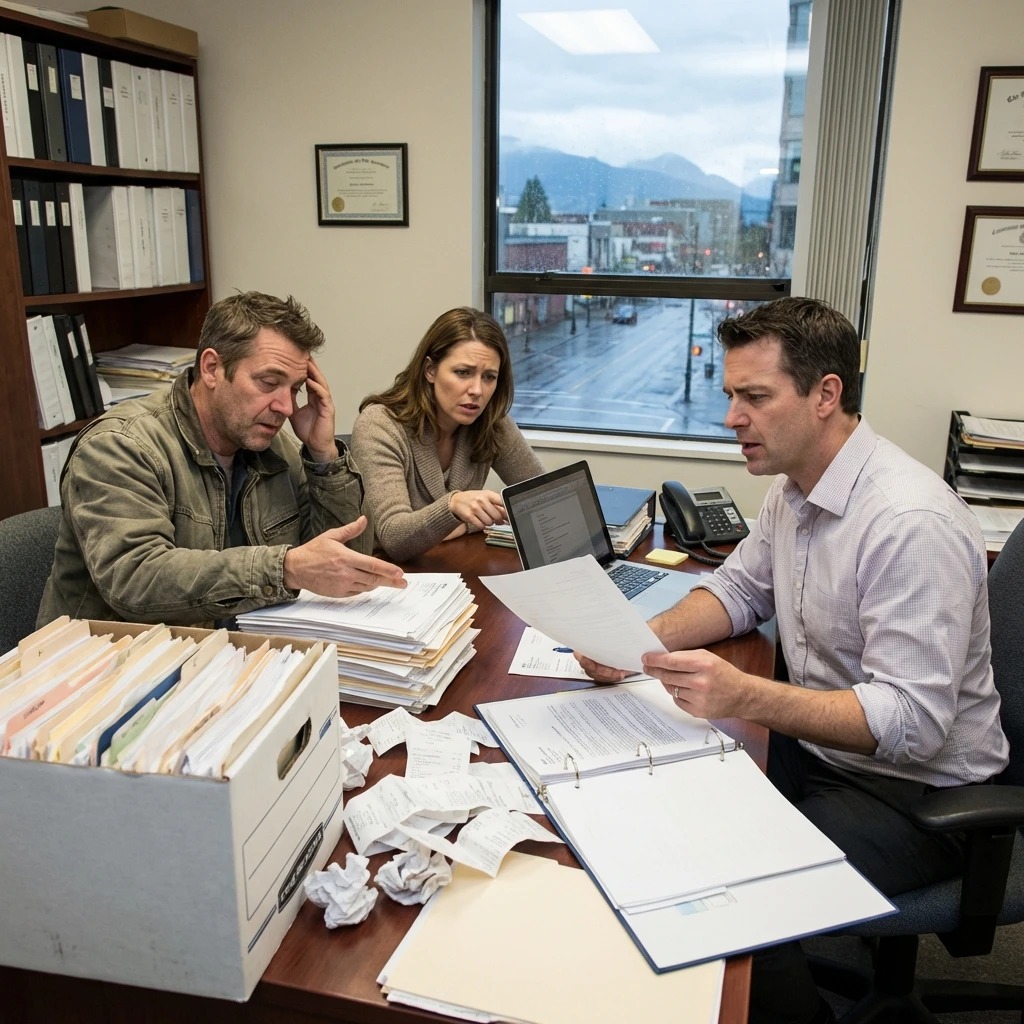
Somewhere between invoicing clients and keeping the wheels on, you might file taxes late and tell yourself you will fix it next week, right after you clear one more fire from your inbox. That is how it starts for a lot of incorporated folks in Calgary, and it is also how corporate records get messy, CRA letters start stacking up, and the yearly rhythm of filing and compliance turns into a fog. Corporate Cleanup exists in that exact fog, helping incorporated owners get corporate tax returns caught up, deal with CRA communication, and get the company back to a state where you can make decisions without guessing.
If this is you, you probably are not confused about what a corporate tax return is, you are stuck on the real-life stuff: missing bookkeeping, a prior accountant who has the files, a bank that wants financials, a GST/HST account that needs attention, or a corporation that has been dormant but still has filing obligations. It can feel like the business is running forward while the paperwork is jogging behind, dropping gloves on the sidewalk. You want a way to catch up that does not turn into a months-long ordeal.
So, instead of lecturing, this is a walk through how late corporate tax returns usually get handled in Canada, what the CRA tends to care about, what can go sideways, and what a workable catch-up plan looks like for a Calgary corporation that just needs to get back on track.
TL;DR: The Late-Return Reality Check
- The challenge: corporate returns pile up, records drift, and CRA contact gets harder to manage when deadlines pass.
- Why it matters: late corporate filings can trigger penalties and interest, and they can block financing, clean year-end planning, and stress-free CRA communication.
- The common gaps: assuming a dormant corporation does not have to file, thinking one missing year is not a big deal, or waiting for bookkeeping to be perfect before starting.
- A clearer way to think about it: treat catch-up like a staged cleanup, get the right years identified, rebuild records enough to file, then improve from there.
- Practical next steps: confirm what is missing, gather CRA and corporate documents, decide who is handling CRA contact, and map a timeline for getting current.
When You File Taxes Late, What Actually Happens?
Late corporate filings do not explode on day one, but they do gather weight. For Canadian corporations, the T2 corporate income tax return is due within six months after the corporation’s year-end, and any balance owing is usually due sooner, often within two or three months depending on the corporation type and situation, which is where interest can start even if you file later. That gap between the payment due date and the filing due date trips people up, because you can be “only a bit late” on filing but still have interest running if tax was owed.
Here is the part that feels like an offbeat metaphor but fits: falling behind on T2s is like trying to shovel your driveway while it is still snowing and the shovel has a crack in it, you can move snow, but every push leaves a little ridge behind that freezes into a problem later. One missing year turns into two because your bookkeeping rolls forward, director changes happen, and suddenly you are trying to remember what that insurance payment was for back when interest rates were different. It is fixable. One step at a time.
Calgary Businesses and Late Returns: The Real-Life Triggers
In Calgary, late corporate returns often show up after a shift, a slowdown, or a surge. A contractor incorporates, work ramps up, then a winter lull hits and bookkeeping gets postponed, or a founder is juggling payroll, GST/HST, and a corporate year-end while also watching the Flames game and answering client calls during intermission. Life happens, and the paperwork is patient.
The common trigger is not laziness, it is missing inputs. Bank statements are easy, but receipts live in glove compartments, payment processors change, someone used a personal card for fuel, and now the books need sorting before anyone can file with confidence. Add CRA letters, maybe a request for information, and it starts to feel personal. It is not personal, but it is time-sensitive.
A Catch-Up Timeline That Keeps You Moving
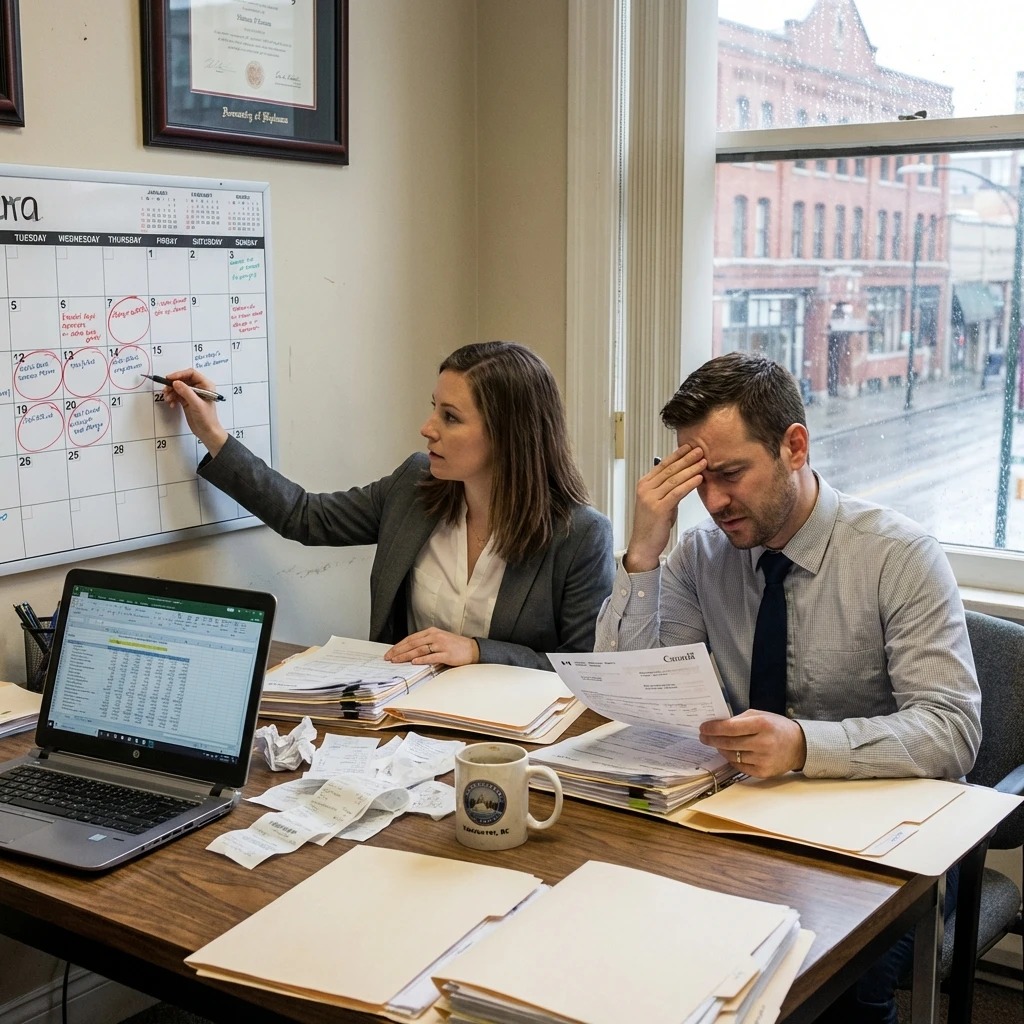
The fastest way to get unstuck is to stop thinking in one giant leap and start thinking in stages, because you can file older years while you keep improving the records for newer years. That matters when you file taxes late because waiting for “perfect books” often delays filing even longer, and the CRA clock does not pause for perfection. Start by confirming which corporate tax years are missing, then build a plan to file them in order, because each filed year makes the next year easier.
A basic sequence usually looks like this: identify missing T2 years, confirm year-ends, gather financial data, prepare and file returns, then respond to CRA follow-up if it comes. Short step. You also want to align other annual compliance items that tend to drift alongside tax, like corporate minute book updates and director and shareholder changes, because those details shape what your accountant can do cleanly and what gets questioned later.
A Simple “Get Current” Map
| Stage | What you do | What you need |
|---|---|---|
| Confirm the gap | Figure out which T2 returns are outstanding | CRA account info, prior filings, corporation year-end date |
| Rebuild records | Sort bank feeds, receipts, invoices, loans, payroll, GST/HST | Bank statements, sales records, expense support |
| File oldest first | Prepare and submit outstanding T2 returns | Financial statements, schedules, prior loss info if any |
| Handle CRA contact | Answer notices, review assessments, track balances | CRA correspondence, payment history, rep authorization if used |
| Set a new routine | Lock in bookkeeping and year-end habits | Monthly process, document storage, calendar reminders |
CRA Penalties, Interest, and the Stuff People Miss
Penalties and interest depend on facts, like whether tax is owing and how late things are, so you want someone to look at your situation instead of guessing from a buddy’s story. Still, the pattern is steady: if you owe tax and you file late, the CRA can charge a late-filing penalty and interest, and interest can apply to unpaid balances over time. When you file taxes late for multiple years, the compounding effect is what stings, not just the first hit.
One thing people miss is that getting caught up is not only about avoiding CRA pain. Lenders and buyers often want clean corporate filings and financial statements, and even if you never plan to sell, you may want a line of credit, a mortgage, or a business partner who asks for basic proof the company is in order. Another miss is thinking that a quiet year means no return, because Canadian corporations generally still have to file a T2 every year even if there is no tax owing. That surprises people.
Choosing Help: DIY, Accountant, or Corporate Cleanup
You can DIY a corporate catch-up, and for a very simple corporation with clean records, that can work, but most incorporated businesses that are behind are not behind because everything is simple. The decision point is less about pride and more about risk management, time, and CRA communication, because once there are multiple years, GST/HST, payroll, or shareholder changes in the mix, the effort rises fast.
If you are weighing options, here is a grounded way to frame it: a tax preparer can file returns, a bookkeeper can help rebuild records, and a corporate tax service can coordinate the full catch-up across filings, CRA contact, and annual compliance. Corporate Cleanup sits in that coordination space, especially when the goal is to get current, stay current, and stop re-living the same stress every year. When you file taxes late, having one clear plan and one place to track progress beats bouncing between inboxes, PDFs, and half-remembered phone calls.
Near the end of a cleanup, the work can get weirdly specific, like hunting down a single missing T4 slip while standing in line at a Calgary Co-op with a crumpled receipt for windshield washer fluid from 2022 in your pocket. That is when a process helps, because you will not remember everything, and you should not have to.
Key Takeaways That Actually Stick
- Canadian T2 returns are due six months after year-end, and tax payment deadlines can be earlier, which is where interest starts to matter.
- Late corporate filings often pile up because records are incomplete, not because the owner does not care.
- Catch-up works best in stages: confirm missing years, rebuild records enough to file, file oldest first, then tighten the routine.
- CRA penalties and interest depend on whether tax is owing and how late you are, so guessing usually wastes time.
- If you file taxes late and the backlog is more than one year, coordination across bookkeeping, T2s, CRA communication, and corporate compliance saves effort.
Getting caught up is not a personality test, it is admin work with deadlines and consequences, and it goes faster when you treat it like a project instead of a confession. Calgary corporations deal with seasonal cycles, staffing changes, and cash flow swings, so the goal is not to become a robot, it is to set up a system that survives real life. If you know you need to file taxes late returns that have stacked up, start by pinning down exactly what is missing, then decide who will rebuild the records, who will file the T2s, and who will deal with the CRA if letters come in. Momentum matters more than perfection. If you want help mapping that out and getting the filings moving, you can Contact Corporate Cleanup and take it from there.